When your sewer line fails, the traditional solution often means tearing up your beautiful yard, damaging your landscaping, and disrupting your daily routine for weeks. However, modern trenchless sewer line repair technology offers homeowners across Fort Mill, Charlotte, and North and South Carolina a smarter way to fix underground pipe problems without the mess and extended timeline of conventional methods.
Don't let sewer line problems destroy your property—call (704) 457-1272 or use our online contact form today for fast, minimally invasive repair solutions.
What Is Trenchless Sewer Line Repair?
Trenchless sewer line repair is a modern plumbing technique that fixes or replaces damaged underground pipes with minimal digging. Unlike traditional methods that require excavating long trenches across your property, this approach uses small access points to reach the damaged pipe. The process involves inserting new pipe material through the existing damaged line or pulling a new pipe through the old one.
This innovative method has revolutionized how plumbers address sewer line issues. Instead of turning your yard into a construction zone, technicians can often complete the entire repair through just two small holes—one at each end of the damaged section.
Why Traditional Sewer Repair Takes So Long
Traditional sewer line replacement involves extensive excavation that can take several days or even weeks to complete. The process requires digging trenches that can be several feet deep and run the entire length of the damaged pipe, which might stretch from your house to the street.
Here's what makes conventional repair so time-consuming:
- Excavation time: Digging trenches can take 1-2 days depending on soil conditions and pipe depth
- Pipe removal: Extracting old pipes and clearing debris adds another day to the timeline
- Installation delays: Weather conditions can halt outdoor work for days at a time
- Restoration work: Refilling trenches, replanting grass, and repairing landscaping extends the project timeline significantly
After the plumbing work is finished, homeowners often wait weeks or months for their yards to return to normal. Grass needs time to regrow, and hardscaping elements like driveways or walkways may require separate contractors to repair.
The extended timeline means you'll deal with limited water usage, potential sewage backups, and restricted access to parts of your property throughout the entire process.
How Trenchless Technology Cuts Repair Time
Trenchless sewer line repair typically takes just one to two days to complete, representing a dramatic time savings over traditional methods. The streamlined process eliminates most of the excavation work that consumes time in conventional repairs.
The two main trenchless methods work efficiently:
- Pipe Lining (CIPP - Cured-in-Place Pipe) This method involves inserting a flexible liner coated with epoxy resin into the existing damaged pipe. Once in place, the liner is inflated and cured, creating a new pipe within the old one. The entire process usually takes 4-6 hours.
- Pipe Bursting When the existing pipe is too damaged for lining, pipe bursting involves breaking apart the old pipe while simultaneously pulling a new pipe into place. This method typically requires 6-8 hours to complete.
Both approaches require minimal setup time since there's no extensive excavation equipment needed. Your plumber can often park their truck in your driveway and complete the work using portable equipment.
Protecting Your Landscaping and Property Value
One of the most significant advantages of trenchless repair is preserving your outdoor spaces. Traditional sewer replacement can destroy mature landscaping that took years to establish and cost thousands of dollars to install.
Landscaping Preservation Benefits
When you choose trenchless repair, you protect valuable landscape elements including established trees, flower beds, decorative hardscaping, and mature grass areas. Large trees near sewer lines are particularly vulnerable during traditional excavation since digging can damage root systems and potentially kill healthy trees.
Your irrigation systems, outdoor lighting, and decorative features also remain intact. This preservation maintains your property's curb appeal and avoids the expense of replacing damaged landscape elements.
Avoiding Property Disruption
Trenchless methods keep your daily routine largely uninterrupted. You won't have construction equipment blocking your driveway for weeks, and you can continue using your outdoor spaces normally. Children and pets can safely play in the yard since there are no open trenches or heavy machinery present.
The minimal access points required for trenchless repair are typically located in inconspicuous areas and can be easily restored with small patches of grass or pavement. This approach maintains your property's appearance throughout the repair process.
Cost Considerations: Short-Term vs. Long-Term Savings
While trenchless sewer line repair may have a higher upfront cost than traditional excavation, the overall financial impact is often more favorable when you consider all associated expenses.
Traditional repair costs extend beyond the plumbing work itself:
- Landscaping restoration can cost $2,000-$10,000 depending on the extent of damage
- Driveway or walkway repair may require additional contractors and materials
- Lost productivity from time off work to manage the extended construction process
- Temporary living arrangements if sewage backups make your home uninhabitable
Trenchless repair eliminates most of these additional costs while providing a long-lasting solution. The new pipe materials used in trenchless methods are designed to last 50-100 years, providing excellent long-term value for your investment.
When Trenchless Repair Is the Right Choice
Trenchless technology works well for many common sewer line problems, but it's not suitable for every situation. Understanding when this method is most effective helps you make informed decisions about your repair options.
Ideal Conditions for Trenchless Repair
Most homes with sewer line issues can benefit from trenchless solutions, particularly when dealing with:
- Root intrusion: Tree roots growing into pipe joints or cracks
- Pipe corrosion: Older pipes showing signs of deterioration
- Joint separation: Connections between pipe sections that have shifted
- Small cracks or holes: Minor damage that affects pipe integrity
The existing pipe needs to maintain its basic structural shape for trenchless methods to work effectively. If your sewer line has completely collapsed or shifted significantly, traditional replacement might be necessary.
Situations Requiring Traditional Methods
Some conditions require the complete access that only excavation provides. These include severely collapsed pipes, major pipe misalignment, or situations where the existing pipe material is incompatible with trenchless techniques.
Your plumber will evaluate your specific situation using video inspection technology to determine the best repair approach for your needs.
The Trenchless Repair Process Explained
Understanding what to expect during trenchless sewer line repair helps you prepare for the work and appreciate the efficiency of the process. The entire procedure follows a systematic approach that minimizes disruption while ensuring quality results.
Initial Inspection and Assessment
Your plumber begins with a thorough video inspection of your sewer line using specialized camera equipment. This inspection identifies the exact location and extent of damage, determines the pipe material and diameter, and confirms whether trenchless methods are suitable for your situation.
The video inspection also reveals any unexpected issues like multiple problem areas or unusual pipe configurations that might affect the repair strategy.
Preparation and Access Point Creation
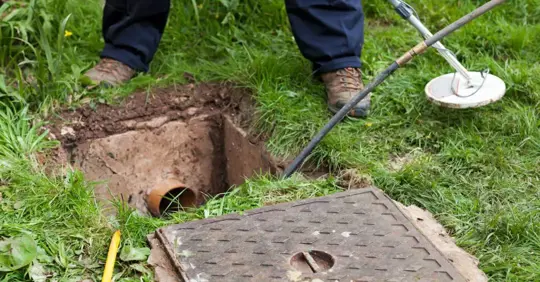
Once the inspection is complete, technicians create small access points at strategic locations. These openings are typically 2-4 feet wide and located at the beginning and end of the damaged pipe section. The precision of modern trenchless equipment means these access points can be much smaller than traditional excavation sites.
Repair Execution
Depending on whether pipe lining or pipe bursting is used, the actual repair work proceeds quickly. Throughout the process, your plumber monitors progress using specialized equipment to ensure proper installation and quality results.
After the new pipe is in place, a final video inspection confirms that the repair meets quality standards and that water flow is restored to normal levels.
Making the Right Choice for Your Home
Choosing the right sewer repair method depends on your specific situation, but trenchless options offer compelling advantages for most homeowners. The combination of time savings, property protection, and long-term durability makes this technology an attractive solution for sewer line problems.
When evaluating your options, consider the total cost of repair including landscaping restoration, the impact on your daily routine, and the long-term reliability of different repair methods. A qualified plumbing professional can assess your specific situation and recommend the most effective approach.
Get Expert Trenchless Sewer Line Repair Today
Don't let sewer line problems disrupt your life longer than necessary. Steadfast Mechanical & Services, LLC provides professional trenchless sewer line repair services throughout Fort Mill, Charlotte, and across North and South Carolina. Our experienced technicians use the latest trenchless technology to restore your sewer system quickly while protecting your property and landscaping.
Contact us at (704) 457-1272 or complete our online contact form to schedule your consultation and discover how trenchless repair can save you time and money.